日本語
日本語



Choosing the right labeling method is an important part of packaging design. In-mold labels (IML) and pressure-sensitive labels (PSL) are two common solutions for plastic containers, food packaging, personal care products, and household products.
Although both methods provide product information and branding, they differ in how the label is applied, how it interacts with the container, and how the finished packaging performs.
This guide explains the key differences between in-mold labels and pressure-sensitive labels to help manufacturers, brand owners, and packaging buyers select the right solution.
1. What Are In-Mold Labels?
In-mold labeling is a process in which a printed label is placed inside a mold before the plastic container is formed. During molding, the label bonds with the plastic surface and becomes an integrated part of the finished container.
IML is commonly used for injection-molded, blow-molded, and other compatible plastic packaging applications.
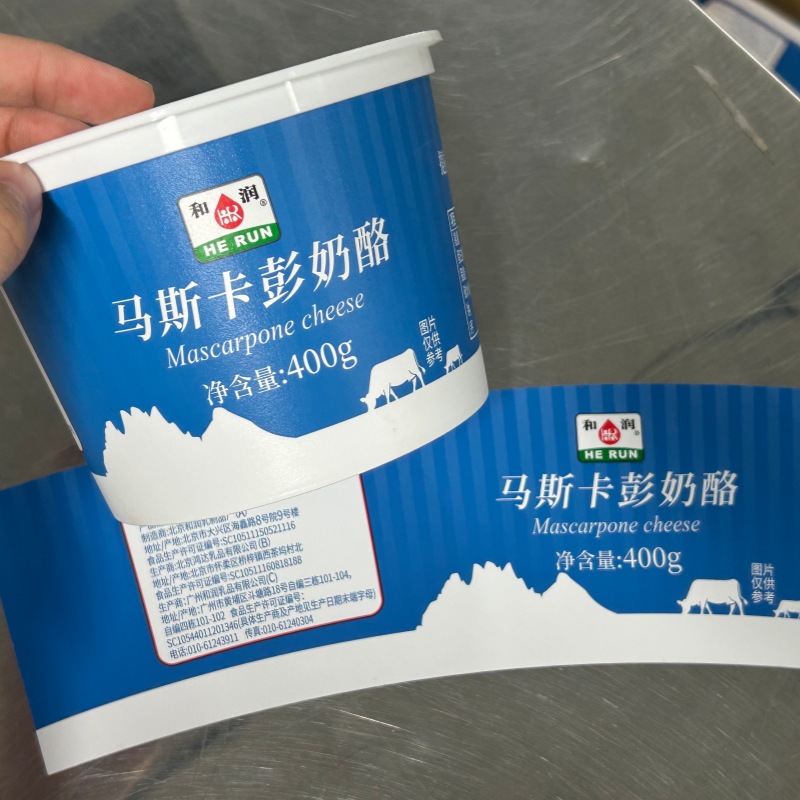
Key Features of In-Mold Labels
Common Applications
In-mold labels are frequently used for:
The suitability of IML depends on the container material, mold design, production equipment, and label specifications.
2. What Are Pressure-Sensitive Labels?
Pressure-sensitive labels are self-adhesive labels supplied with an adhesive layer and a release liner. The label is peeled from the liner and applied to a container or product surface using pressure.
Unlike IML, pressure-sensitive labeling does not require the label to be integrated into the container during molding. Labels can be produced separately and applied manually or with automatic labeling equipment.
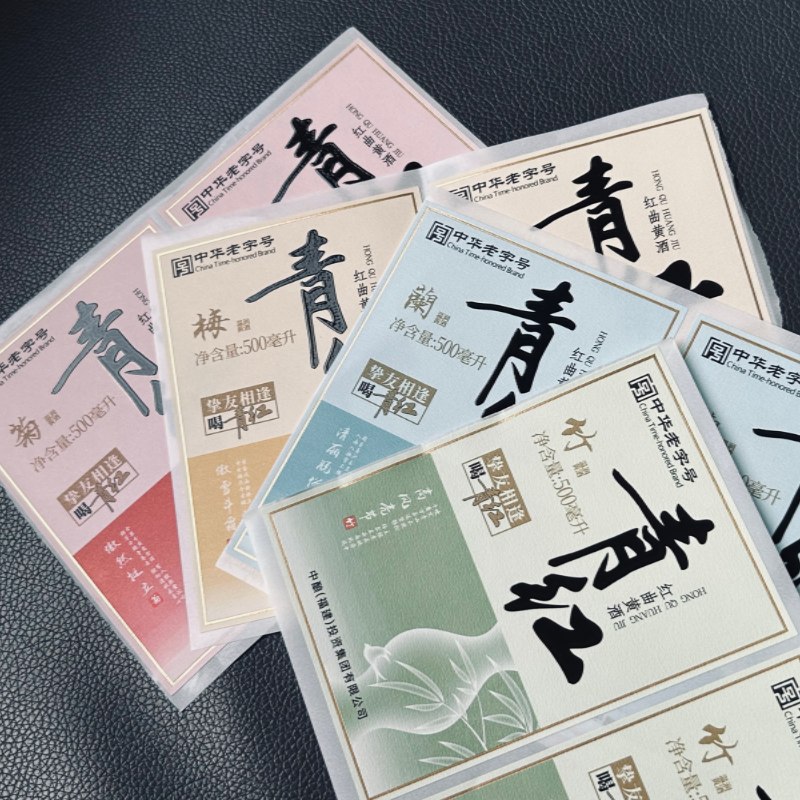
Key Features of Pressure-Sensitive Labels
Common Applications
Pressure-sensitive labels are widely used for:
The final performance depends on the face material, adhesive, container surface, application temperature, and storage conditions.
| Comparison | In-Mold Label | Pressure-Sensitive Labels |
| Application method | Integrated during molding | Applied using adhesive after production |
| Container production | Requires compatible molding equipment and process | Can be applied to existing containers |
| Label construction | Integrated with the molded container surface | Separate label bonded to the surface |
| Material options | Selected materials compatible with the molding process | Broad range of paper and film materials |
| Decorative effects | Printed graphics designed for the molding process | Printing, foil stamping, embossing, and other suitable finishes |
| Production planning | Closely linked to container manufacturing | Label production and container filling can be planned separately |
| Order flexibility | Best assessed alongside molding volume and setup | Often more flexible for multiple designs and varied quantities |
| Label replacement | Generally not designed for simple removal | Removal depends on adhesive, face material, and application |
| Common uses | Molded plastic tubs and containers | Bottles, jars, boxes, pouches, and many other packages |
Neither method is universally better. The right choice depends on the packaging design, production process, quantity, appearance requirements, and expected product use.
4. How to Choose the Right Labeling Method
Choose In-Mold Labels When:
Choose Pressure-Sensitive Labels When:
For many brand owners, pressure-sensitive labels are a practical option because they can be tailored to different packaging shapes and product requirements without redesigning the container molding process.
5. Important Factors to Consider Before Ordering Labels
Regardless of the labeling method, several factors should be evaluated before production.
Container material and surface
Identify whether the container is made of PP, PE, PET, glass, or another material. Surface texture, curvature, and surface energy can affect label adhesion and application.
Application environment
Consider whether the label will be applied at room temperature, in a refrigerated area, or under other challenging conditions. Moisture, oil, and temperature changes may affect performance.
Printing and appearance
Confirm the required colors, artwork, barcode readability, and decorative finishes. For pressure-sensitive labels, paper and film materials can offer different visual and functional properties.
Production volume
Consider the number of containers, number of SKUs, production schedule, and setup requirements. The most suitable process may differ between a large-volume single design and a smaller order with multiple designs.
Application equipment
For pressure-sensitive labels, check the label dimensions, roll direction, core size, roll diameter, and spacing requirements with the labeling machine supplier.
6. Why Work with an Experienced Label Manufacturer?
An experienced label manufacturer can help evaluate face materials, adhesive options, printing processes, finishing requirements, and converting specifications.
For pressure-sensitive labels, Jinke Label provides custom self-adhesive labels in roll and sheet formats, with options for paper and film materials, multiple-color printing, die-cutting, and decorative finishing processes.
Sharing the container material, label dimensions, artwork, order quantity, and application conditions helps the manufacturer recommend a suitable specification.
Frequently Asked Questions
Are in-mold labels more durable than pressure-sensitive labels?
In-mold labels are integrated into the molded container and can reduce peeling associated with separately applied labels. However, the actual durability of either solution depends on material selection, manufacturing quality, and the conditions in which the package is used.
Can pressure-sensitive labels be used on plastic containers?
Yes. Pressure-sensitive labels can be used on many plastic containers, including PP, PE, and PET. The adhesive should be selected according to the container surface, application conditions, and required service life.
Are pressure-sensitive labels suitable for small orders?
They can be. Production setup, material availability, finishing requirements, and the number of designs all affect the economics of a small order. Ask your supplier to quote based on the actual specifications and quantity.
Can pressure-sensitive labels include foil stamping or embossing?
Yes. Depending on the material and design, pressure-sensitive labels can incorporate foil stamping, embossing, varnishing, lamination, and other decorative effects.
Which labeling method is more cost-effective?
The answer depends on container design, tooling and equipment, production volume, label specifications, and the overall manufacturing process. Comparing the total packaging cost is more useful than comparing label costs alone.
Conclusion
In-mold labels and pressure-sensitive labels serve different packaging needs. IML is particularly suitable for compatible molded containers where label integration is important. Pressure-sensitive labels offer flexibility in materials, finishes, label shapes, and application to existing packaging.
The best choice is the one that meets your packaging requirements, production volume, appearance goals, and application conditions.
Looking for custom pressure-sensitive labels for your products? Contact Jinke Label with your artwork, label dimensions, material requirements, order quantity, and application details to discuss a suitable solution.
 +86 15805927008+86 15805928278
 Sales Executivelinda@jinkelabel.comSales Executiverosa@jinkelabel.comGeneral managerzane@jinkelabel.com
 No.99 Tongfu Road, Tongan district, Xiamen, China.

営業時間
月曜日と土曜日:午前8時から18:00